All-American Artists: The Most Influential Figures in US Art
American artists artwork
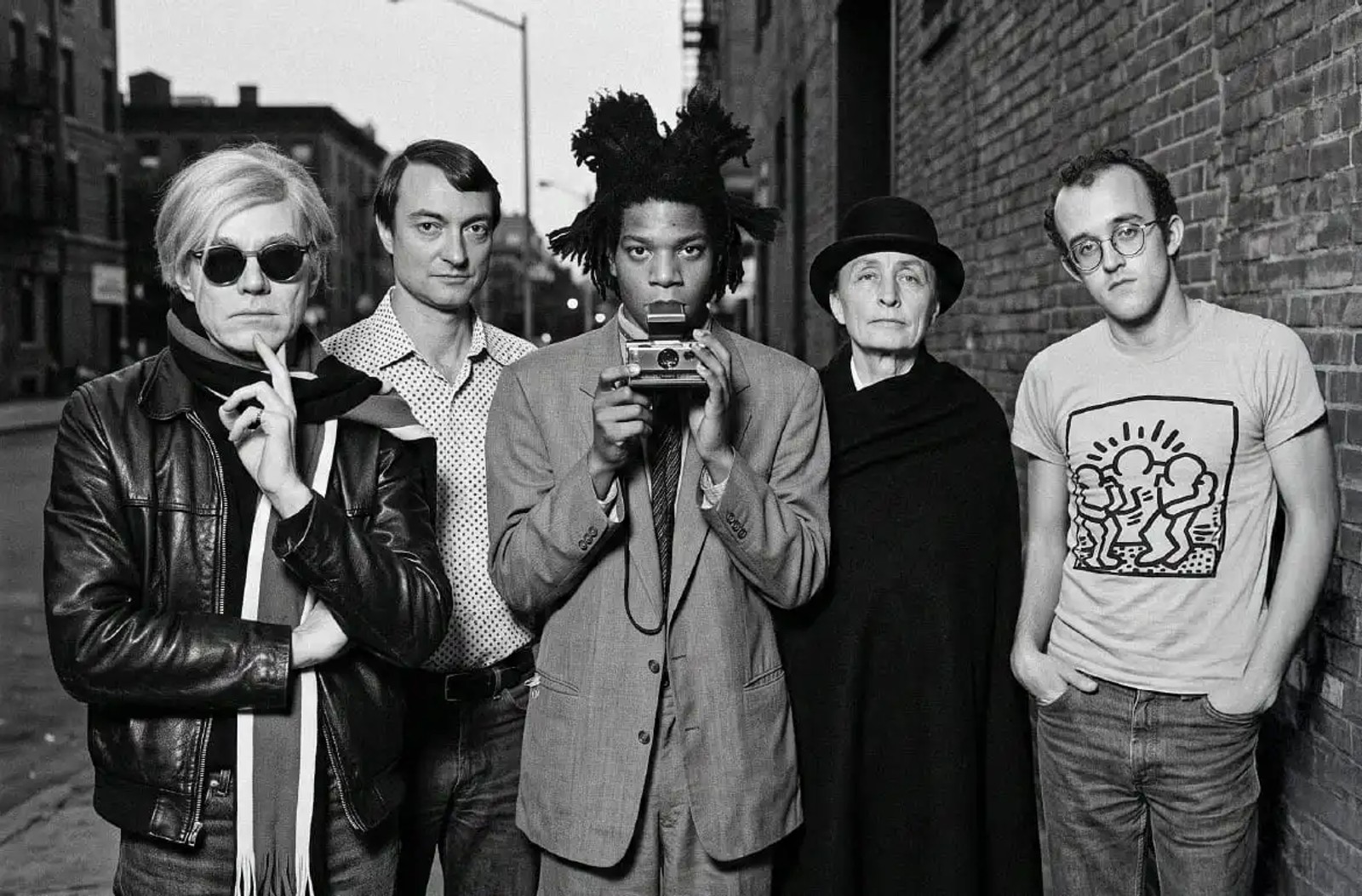
Five American painters who died between 1986 and 1997 have been the subject of major exhibitions this year. In October the Whitney Museum of American Art opened New York’s first Roy Lichtenstein retrospective since 1993. Paris is showing Andy Warhol’s drawings, while Rome presents a survey of Keith Haring’s career. In Detroit, an exhibition that opened in September focuses on the buildings Georgia O’Keeffe painted. Earlier in the year, a museum in Denmark looked at the heads Jean-Michel Basquiat drew on paper.
What Makes an American Artist Influential
Fame alone does not prove influence. A better measure is whether someone changed what museums, critics and the public were willing to accept as art.
O’Keeffe painted some of the best-known images of American modernism in the 1920s, among them Manhattan skyscrapers and flowers seen at very close range. In the 1960s Lichtenstein and Warhol took their subjects from comic strips, advertisements and supermarket products, sources many critics of the time dismissed. Haring and Basquiat both started out around 1980 with graffiti and chalk pictures in the streets and subway of New York. Within a few years, leading dealers in the city were selling their canvases.
Avery Andon, chief executive of ArtLife Gallery, prefers a practical test. “You can tell someone mattered when strangers are using their ideas decades later. With these five, you see it in fashion and advertising as much as on canvas.”
Georgia O’Keeffe (1887–1986)
Georgia O’Keeffe grew up on a farm in Wisconsin and trained at two leading schools, the Art Institute of Chicago and New York’s Art Students League. A friend showed some of her abstract drawings to Alfred Stieglitz, the photographer and dealer who gave her a debut in 1916 and later married her. By the mid-1920s she was among the most important figures in American art.
She traveled to northern New Mexico in 1929 and kept spending her summers there through the 1930s and 1940s, painting the desert and the bones she found in it. In 1946 the Museum of Modern Art gave her a retrospective, only the second exhibition it had devoted to a woman’s art. Three years later she made New Mexico her permanent home.
Jimson Weed/White Flower No. 1 (1932) sold for $44.4 million in 2014. It remained the highest auction price paid for art by a woman until November 2025, when a self-portrait by her friend Frida Kahlo brought $54.7 million at Sotheby’s. Both prices include the buyer’s fees.
Her buildings are a less familiar subject. The Detroit Institute of Arts has made them the focus of Georgia O’Keeffe: Architecture, on view through January 3, 2027. About 35 paintings of Manhattan towers, rural barns and adobe houses share the abstract style she used for her flowers.
Roy Lichtenstein (1923–1997)
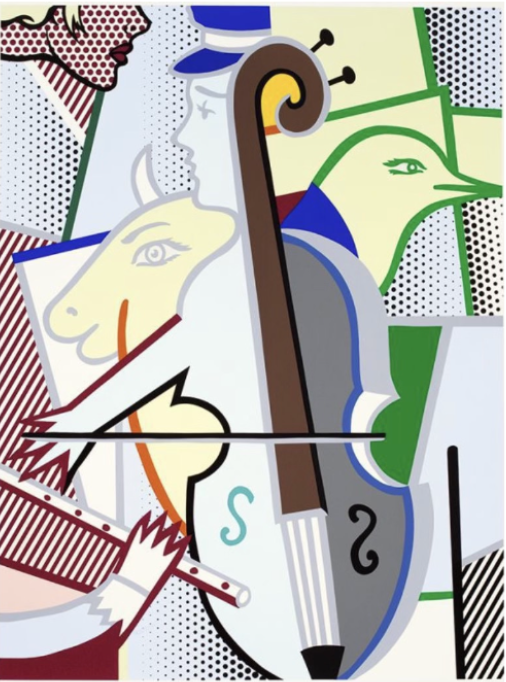
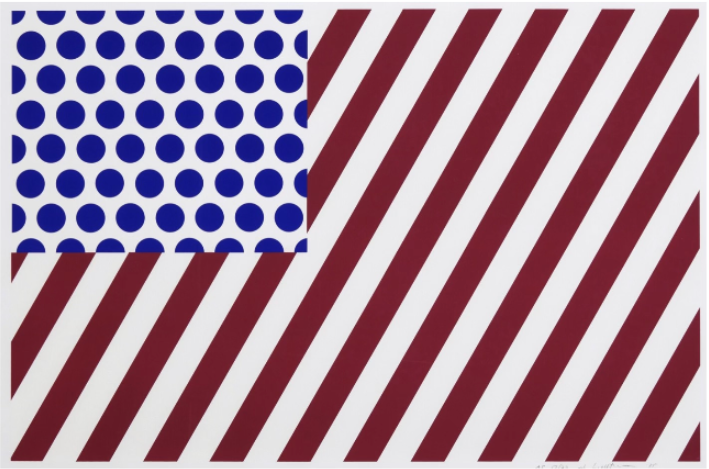
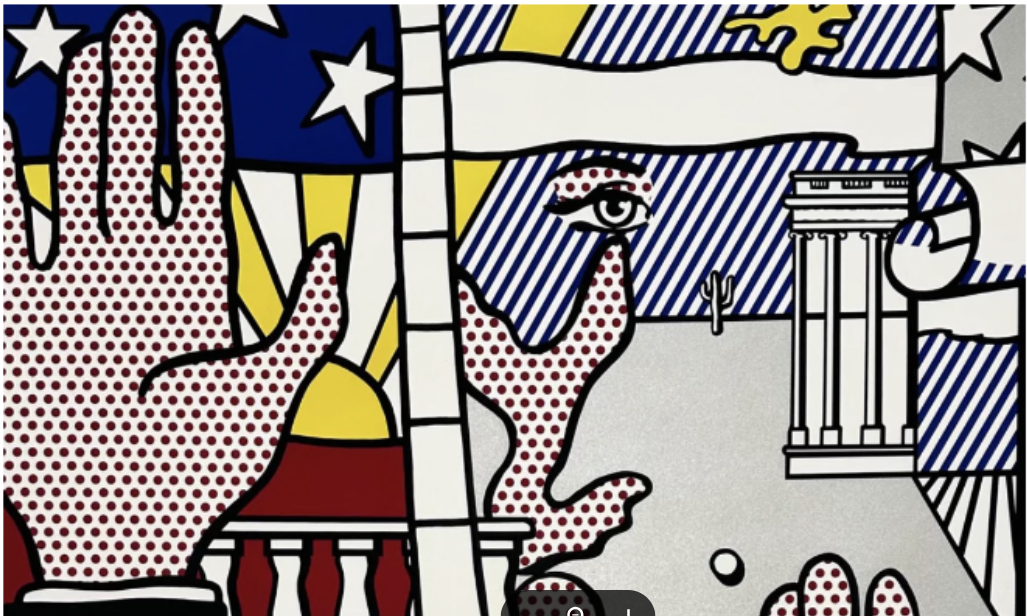
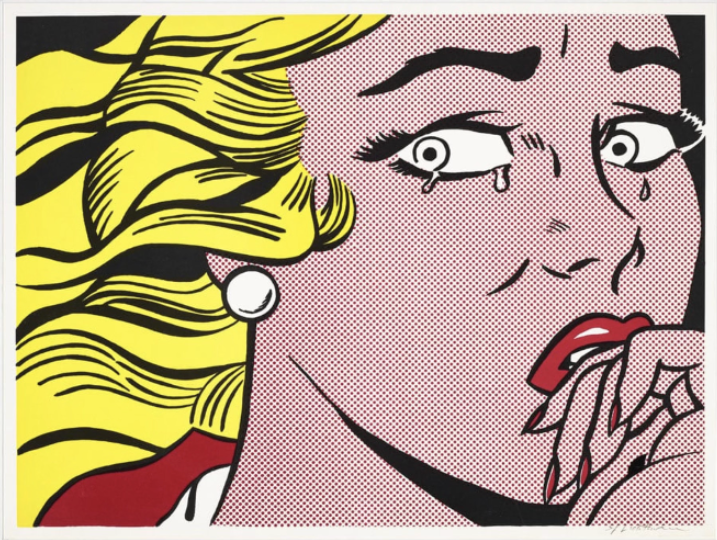
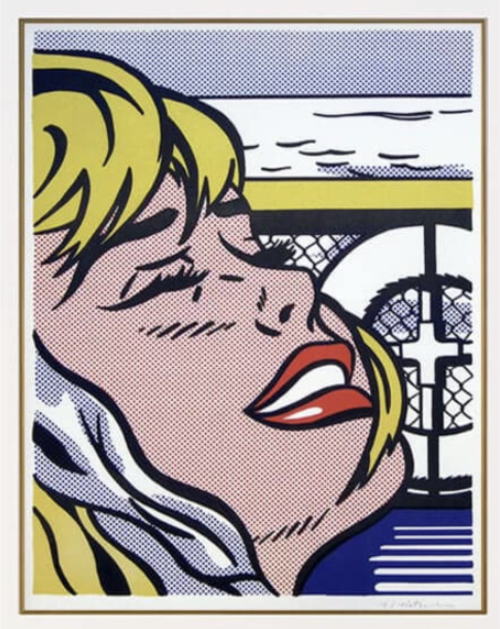
In the early 1960s Roy Lichtenstein took his images from comic books and newspapers. He reworked each composition before enlarging it onto canvas by hand. The Whitney calls him “an appropriation artist long before the term was used by art historians.”
The museum’s retrospective, Roy Lichtenstein: Like New, runs until May 10, 2027. It brings together more than 130 pieces from six decades, along with four murals re-created for the occasion.
A reconstruction of Leo Castelli Gallery restages his first solo show of 1962, with all eight of its paintings reunited. Works by Louise Lawler, Richard Pettibone and Sturtevant, chosen to trace his influence on those who came after him, complete the selection.
In 1969 he turned to art history. Gemini G.E.L. in Los Angeles published his Cathedral prints that year, based on Claude Monet’s paintings of Rouen Cathedral. Monet had recorded the facade at different hours to capture the changing light. Lichtenstein reduced it to dots and flat areas of color. ArtLife offers Cathedral 2 from the set.
Andy Warhol (1928–1987)
Andy Warhol is best known for his portraits of celebrities and his pictures of supermarket goods, but his career began in commercial illustration. Andy Warhol. La ligne et l’image, at the Musée du Luxembourg in Paris until January 10, 2027, makes the case that he never stopped drawing, even after he adopted silkscreen and other mechanical processes.
About 150 drawings span 44 years. The earliest is a self-portrait of 1942, and the latest are acrylic studies for The Last Supper, made in 1986, the year before his death. Painting and film took most of his time between 1963 and 1973. When he went back to drawing, he used it to try out colors, lines and ideas for new canvases, including commissioned portraits such as his Mao, often at close to the size of the finished picture.
The exhibition highlights the techniques he invented for copying an image many times, among them rubber stamps, transferred lines, stencils and collage. His silkscreens of the 1960s applied that principle on canvas.
Nico Hayes, ArtLife’s senior director, thinks anyone who wants to understand Warhol should start with this side of his practice. “People know the finished images. The drawings let you follow the decisions behind them, which line he kept and which one he dropped. They show how good a draftsman he was.”
Keith Haring (1958–1990)
The New York subway gave Keith Haring his first audience. In 1980 he began making chalk drawings on the black paper that filled empty ad spaces in its stations. He repeated a small set of figures, among them radiant babies, barking dogs, hearts and dancers. In his paintings and posters they carry messages about racism, apartheid, nuclear weapons and AIDS, the illness that killed him in 1990, at 31.
He set out to make his art available to people who did not visit galleries. In 1986 he opened the Pop Shop at 292 Lafayette Street in Manhattan, a store selling T-shirts and novelty items printed with his images. A second branch followed in Tokyo in 1987.
The Keith Haring Foundation quotes his reasoning. “I wanted to continue this same sort of communication as with the subway drawings. I wanted to attract the same wide range of people, and I wanted it to be a place where, yes, not only collectors could come, but also kids from the Bronx.”
The exhibition at the Museo di Roma in Palazzo Braschi, open until April 11, 2027, covers his entire career. More than 140 works and documents come from the Nakamura Keith Haring Collection in Japan, the largest holding of his art anywhere, with further loans from public and private collections. Among them is a Yamaha motorcycle he painted while staying in the city in 1984.
Jean-Michel Basquiat (1960–1988)
Son of a Haitian father and a Puerto Rican mother, Jean-Michel Basquiat grew up in Brooklyn and won notice in lower Manhattan in the late 1970s. In 1984 and 1985 he made a series of joint canvases with Andy Warhol. He was 27 when he died in 1988.
Asked at 22 how a picture usually began for him, Basquiat said, “I suppose I would start with a head,” as The Art Newspaper recalled shortly before Basquiat: Headstrong opened at the Louisiana Museum of Modern Art in Denmark. The show, which closed on May 17, was billed as the first comprehensive exhibition of his drawings of the human head.
Most of those sheets date from 1981 to 1983. Dirt and the outlines of sneaker soles on many of them suggest he made them on the studio floor. He kept a number hidden for years. A group of them reached the public in 1990, at Robert Miller Gallery, two years after his death.
The Headstrong catalogue includes new interviews with George Condo, a friend of Basquiat’s, and with the contemporary artists Arthur Jafa, Julie Mehretu, Dana Schutz and Alvaro Barrington. ArtLife has gathered 10 facts about Basquiat for readers who want to know more about his life.
Lichtenstein, Warhol, Haring and Basquiat at ArtLife
ArtLife Gallery offers prints and original artworks by four leading figures of the US contemporary art: Roy Lichtenstein, Andy Warhol, Keith Haring and Jean-Michel Basquiat. From Lichtenstein’s comic-inspired compositions and Warhol’s iconic screenprints to Haring’s energetic imagery and Basquiat’s expressive works on paper, the collection brings together artists whose work continues to shape the art market.
Every acquisition deserves careful consideration. ArtLife’s team can provide condition reports, provenance information and supporting documentation for works currently available, helping collectors make informed decisions. Browse the full ArtLife artist roster or contact the gallery to enquire about specific prints and artworks for sale.
Frequently Asked Questions
Who is the most famous American artist?
Andy Warhol is the name most people give first. His portraits of Marilyn Monroe and his Campbell’s soup cans are familiar even to people who never visit museums. Lists of the best-known names usually add Georgia O’Keeffe, Jackson Pollock, Roy Lichtenstein and Jean-Michel Basquiat.
Which art movements are most closely linked to the United States?
Abstract Expressionism developed in New York in the 1940s, with Willem de Kooning and Jackson Pollock as central figures. Pop art reached American galleries in the early 1960s through Warhol and Lichtenstein. In the late 1970s and 1980s, graffiti moved from New York’s streets into its galleries.
Did Warhol, Basquiat and Haring know each other?
Yes. All three were part of the downtown scene of the early 1980s, and Haring and Basquiat both visited Warhol at his studio. Warhol and Basquiat later painted a series of canvases together, each adding images to what the other had begun.
Where is the Georgia O’Keeffe Museum?
It is in Santa Fe, New Mexico, the state where O’Keeffe settled in 1949. The museum holds the largest collection of her paintings and drawings, plus her belongings, letters and photographs. Two of her historic homes, at Abiquiú and Ghost Ranch, are in its care.
Can you collect prints by these artists?
Yes. Lichtenstein, Warhol and Haring produced screenprints, lithographs and other editions throughout their careers, and many collectors begin with one of them. Basquiat published only a handful of prints before he died. Most Basquiat prints on the market today are estate editions issued long after his death.
Ready to Start Your Collection?
Success in this market hinges on insight and access. ArtLife delivers both. We source investment-grade prints and blue-chip canvases that build real portfolio value. Contact ArtLife today to access our private inventory and acquire your next asset.